
Mini-Split Services in Greenacres, WA
One number covers mini-split service across the Greenacres area. Your call routes to an independent Washington contractor who works this market — where mild summers with heat-dome exceptions that overwhelm AC-less homes drive the failure season and local equipment is sized around a 85°F design day. Diagnostic pricing is quoted before dispatch, and comparing bids is encouraged, not resented.
Climate figures rounded from NOAA 1991–2020 normals for Seattle–Tacoma, WA; design temperatures are regional planning values. See our methodology.
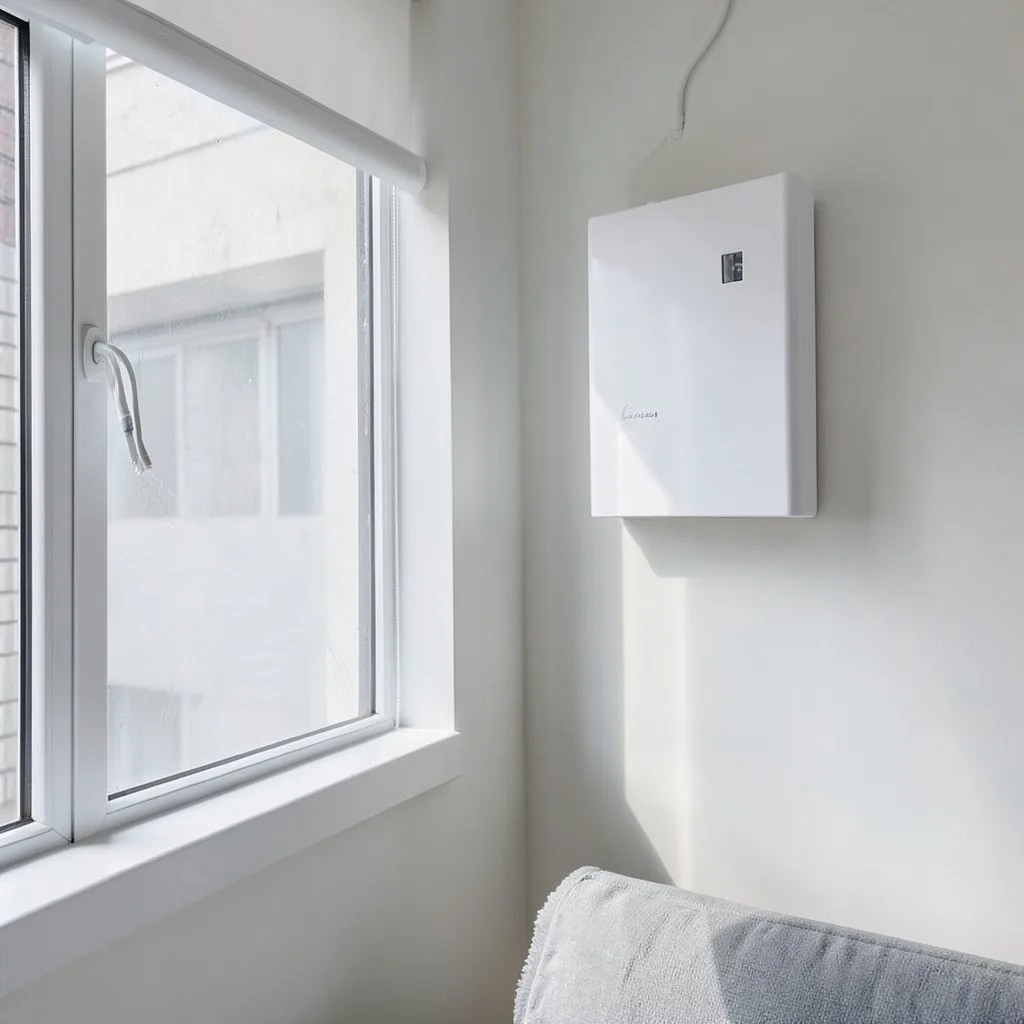
What climate and housing drive Greenacres service calls?
Equipment around Greenacres lives between 24°F winters and 85°F summers. The annual load — roughly 4,550 heating degree days against 200 cooling — is the quiet arithmetic behind local sizing, local failure timing, and the local repair queue. Mild summers with heat-dome exceptions that overwhelm AC-less homes; long, damp heating seasons. Both arrive every year.
What hangs in local utility closets is as regional as the weather. Gas furnaces and electric baseboards are giving way to ducted and ductless heat pumps at the fastest rate in the country; insulation upgrades pair with nearly every conversion. Most of the surrounding housing dates to roughly 1980 — 46 years of duct settling and envelope drift that a good contractor reads as quickly as the equipment label.
In Greenacres, routing runs on extended business hours, with same-day priority for no-heat and no-cool calls. Coverage is matched at the zip-code level (one zip locally), so the contractor who answers actually drives this area.
Here is what the coverage map says about Greenacres: a single-zip market, a single zip code, both heating and cooling lines live. This territory overlaps routes through Lake Stevens, Chattaroy, Nine Mile Falls — established service country, not the edge of anyone's map. Those are routing facts, not marketing — they decide who actually answers when you call about mini-split service.
What are Greenacres homeowners describing — and what does it mean?
A room the main system never reaches
Bonus rooms, additions, and converted garages are the classic single-zone use case.
No ducts and no appetite for adding them
Older homes with boilers or baseboards get modern cooling and heating without tearing walls open.
Existing mini-split dripping water down the wall
A clogged condensate line or failed pump — common, minor, and urgent for the drywall’s sake.
A head blinking an error code and refusing to run
Communication faults and sensor errors; brand-specific codes make model info useful when booking.
A mini-split that cools weakly after years of service
Fouled blower wheel and coil inside the head — deep cleaning restores capacity surprisingly often.
What should you expect when you call?
-
Context before quotes
Age of the current system, rooms that never worked, fuel type, timeline — replacement in Greenacres is a design job, and context shapes quote quality.
-
A design visit, not a pitch
You are routed to an independent Washington installer who fits equipment to this climate — about 4,550 heating and 200 cooling degree days a year — not to a national average.
-
Numbers precede dollars
Sizing comes from your house, not your driveway. Expect the load calculation, and expect model numbers on the paperwork.
-
Compare bids like a buyer
You are never locked in. Collect bids, compare scope line by line, and award the work on your schedule.
How does mini-split services pricing work in Greenacres?
Pricing is set by the independent contractor — never by us — and the ground rules are the same on every call we route: the diagnostic fee is stated on the phone before dispatch, any after-hours premium is named up front, and you receive a written quote you can compare against any other bidder before authorizing work.
That structure isn't generosity — it's how the network stays healthy. A Washington contractor who surprises homeowners at the doorstep stops receiving routed calls, which means the pros who remain are the ones whose pricing conversations survive daylight. You benefit from that selection every time you dial.
| What to expect | When | Why it matters |
|---|---|---|
| Diagnostic fee disclosed | On the phone, before dispatch | No doorstep surprises — the visit price is known before a truck rolls |
| Findings shown, not described | During the visit | The failed part and its readings, in front of you |
| Written quote | Before any work begins | Yours to keep and shop — comparison is expected here |
| Scope itemized | In the quote | Model numbers and labor scope in writing |
Researching typical national figures first? Read Mini-Split Cost: Single Zone to Whole Home — the itemized national breakdown, kept separate from this routing service.
The Greenacres seasonality problem, used to your advantage
Demand for mini-split service around Greenacres is not flat — it spikes with the first real heat wave, when every marginal system in a 4,550-HDD/200-CDD climate gets stress-tested in the same week. Contractors triage: genuine emergencies first, vulnerable households next, everyone else into a queue measured in days. The same call placed two weeks earlier lands in a calendar measured in hours.
The practical move: treat the first mild-weather symptom — longer cycles, new noises, weaker output — as the booking trigger. Planned work quoted in the off-season gets sharper bids, because installers are filling calendars instead of rationing them.
The regional pattern is worth knowing too: housing around Greenacres clusters near a 1980 vintage, which means equipment installed in the same boom years fails in the same window. When you hear a neighbor's system die, treat it as data — yours shares its birthday. A pre-season inspection that year is the cheapest decision on this page.
Collecting replacement bids?
Add a real quote from an independent Washington installer — load calculation, model numbers, scope in writing.
Call (877) 565-3062What separates a good install from an expensive one?
The equipment brand matters less than the installation decisions around it: a load calculation instead of a driveway guess, ducts measured for the airflow the new system actually needs, refrigerant charge and airflow verified with instruments at commissioning, and the permit pulled rather than skipped. Two crews installing the identical unit can deliver measurably different efficiency for its entire fifteen-year life.
Read competing bids by scope, not bottom line. Model numbers for every component, line-set and drain handling, electrical work, permit responsibility, commissioning steps, and the labor warranty — in writing. The cheapest bid is usually cheapest because something on that list is missing, and the missing item is rarely missing by accident.
Five minutes of prep that speeds the whole visit
Techs solve faster with context. The five minutes before a Greenacres visit that pay for themselves:
- Pets secured and gate codes shared: the two most common arrival delays, both free to prevent.
- Any past paperwork: prior repair invoices or tune-up sheets turn guesswork into history.
- The symptom timeline: when it started, whether it comes and goes, and what (if anything) changed in the house right before.
- Your equipment labels: a phone photo of the data plate on the unit gives the contractor model and age before arrival.
- The filter situation: when it was last changed and its size — the answer redirects a surprising number of diagnoses.
- Clear access: a path to the equipment, the attic hatch, or the crawlspace door saves billable minutes on arrival.
Which terms will your Greenacres contractor use on this job?
Mini-Split (Ductless)
A mini-split is a ductless heating and cooling system: an outdoor compressor unit connected to one or more indoor "heads" by a slim refrigerant line run through a three-inch wall opening. Each head conditions the room it is mounted in, with its own remote and setpoint. Nearly all modern mini-splits are inverter-driven heat pumps that both heat and cool.
HVAC Zoning
HVAC zoning divides a home into independently controlled comfort areas. Ducted zoning uses motorized dampers in the ductwork and multiple thermostats, directing one system’s airflow only where called. Ductless systems zone natively — each mini-split head is its own zone with its own setpoint.
Variable-Speed HVAC
Variable-speed (inverter-driven) HVAC equipment modulates its output continuously — a compressor running at anywhere from roughly 25% to 100% capacity, paired with a blower that matches — instead of the on/off blasting of single-stage systems. The equipment runs longer, gentler cycles that hold temperature within a fraction of a degree.
Whole-home dehumidifier
A whole-home dehumidifier is a ducted appliance that removes moisture from household air independently of the air conditioner, draining the water it extracts. It exists for the loads AC handles poorly: humid climates in mild weather, tight houses, crawlspaces and basements, and oversized cooling systems that cool the air faster than they can dry it.
Every term links to its full glossary entry — the practical homeowner angle included. All 50 terms →
Vetting a mini-split service contractor in Washington
Referral routing gets a qualified contractor on your phone; the vetting is still yours to do, and good contractors respect customers who do it. In Washington, five minutes covers it:
- Compare at least one competing bid on any major repair or replacement. Contractors who earn jobs on scope expect this; the ones who resent it are telling you why.
- Check the labor warranty in writing — 1–2 years on repairs is standard; "we stand behind our work" is not a term.
- For quotes: model numbers, written scope, and permit handling in the document — a one-line quote is a red flag stated politely.
- Insist on the failed part being shown and the fix explained — techs who diagnosed correctly enjoy this part.
- Get the diagnostic fee and its terms (does it credit toward the repair?) stated before the visit is booked.
None of this is adversarial — it's how good contractors prefer to work. A Washington pro who quotes fees on the phone, shows the failed part, and writes scope you can shop has nothing to fear from a checklist; the visit simply goes faster with an informed homeowner on the other side of it. The rare contractor who bristles at verification has answered the most important question before any work began.
Mini-Split Services in Greenacres — common questions
How often do mini-split heads need cleaning?
Wash the mesh filters monthly in heavy use — homeowners can do that. The deeper issue is the blower wheel and coil, which accumulate a biofilm-dust coat over 2–4 years that quietly cuts capacity and can smell musty; that is the professional deep-clean. If airflow feels weaker than the fan speed suggests, or there is a sour smell on startup, it is due.
Why is my mini-split leaking water down the wall?
The head produces condensate constantly in cooling mode, and it leaves through a small gravity drain (or condensate pump) that clogs with algae over time. When it backs up, the drain pan overflows down your wall. It is a quick professional fix and preventable with periodic drain treatment — but not something to ignore, since drywall and mold damage compound quickly.
Are the DIY mini-split kits a good idea?
They are legitimate products with a real trade-off: the pre-charged line sets make installation feasible, but most manufacturers void or shorten the warranty without licensed installation, resale inspectors flag them, and errors in vacuum/charge quietly cost efficiency for years. If you have the skills, understand you are self-insuring. Otherwise, the install premium buys the warranty and the commissioning.
One head or several rooms per head — how does zoning work?
Each head conditions the open area it can "see"; air does not turn corners down hallways well. Multi-zone outdoor units run 2–5 heads with independent control per room — genuine zoning that ducted systems fake with dampers. The design question is head placement and sizing per actual room loads; a competent designer will resist putting an oversized head in every room "to be safe."
How does Greenacres heat affect AC sizing and repair?
Local design practice sizes cooling around a 85°F design temperature with about 200 cooling degree days a year. Mild summers with heat-dome exceptions that overwhelm AC-less homes means marginal components — weak capacitors, fouled coils, low charge — fail during peak load rather than before it, which is why pre-season checks pay off here.
Does the age of Greenacres housing change what goes wrong?
Meaningfully. With a median build year around 1980, much of the local stock is on its second or third equipment generation while running original ductwork. Gas furnaces and electric baseboards are giving way to ducted and ductless heat pumps at the fastest rate in the country; insulation upgrades pair with nearly every conversion.
Does weather here really change what mini-split service costs?
Indirectly but reliably. With 4,550 heating and 200 cooling degree days a year, local failures cluster around first-stress weather — and when every truck in Greenacres is booked, after-hours premiums and multi-day queues do the pricing. The same job in shoulder season books same-day at standard rates.
Am I committed to anything by calling?
No. The call connects you with an independent local contractor who quotes their diagnostic fee up front. You can book, decline, or take the quote shopping — contractors in this network expect comparison and earn jobs on scope and price, not on capturing your phone number.
Prefer a callback from a Greenacres pro?
Same zip-matched routing as the phone line — an independent Washington contractor calls you, fee quoted before any visit.