
HVAC Maintenance in San Antonio, FL
Need HVAC maintenance in San Antonio? One call routes you to an independent contractor who covers your FL zip code — with the diagnostic fee quoted before any truck rolls. Around Tampa, brief cold fronts that expose weak heat strips set the workload, and heating here is engineered against design lows near 40°F, so contractors in this network handle exactly this class of failure all season long.
Climate figures rounded from NOAA 1991–2020 normals for Tampa, FL; design temperatures are regional planning values. See our methodology.
U.S. Census Bureau, American Community Survey 2023 5-year estimates (tables B25003, B25024, B25035), city-level.
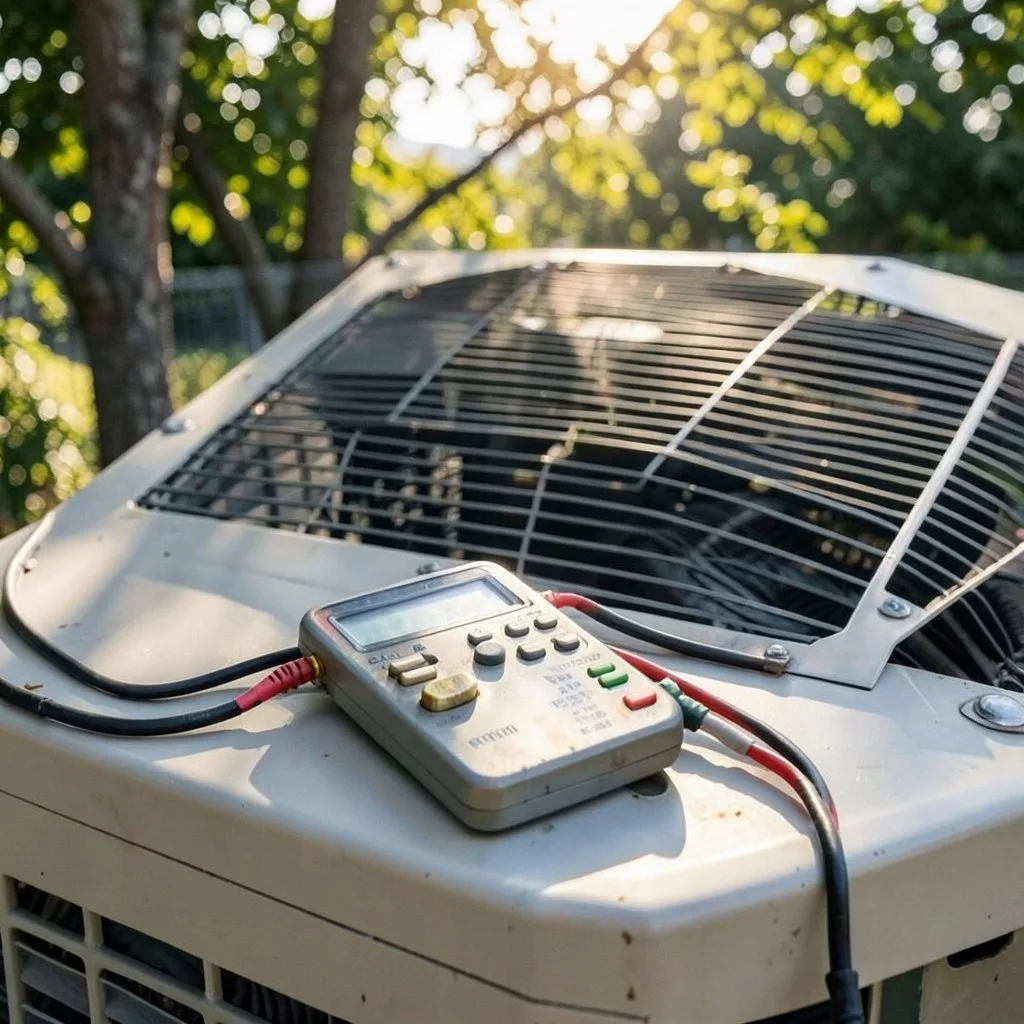
What does San Antonio do to heating and cooling equipment?
San Antonio weather works equipment from both ends: roughly 550 heating degree days and 3,600 cooling degree days a year at the Tampa, FL reference station. Summers bring a six-month cooling season with brutal humidity; winters answer with brief cold fronts that expose weak heat strips. Systems that survive here are the ones sized to those numbers rather than to a rule of thumb.
A San Antonio service call starts with the house, not the unit: median local construction around 1986 means original duct runs, period insulation standards, and equipment rooms built for smaller machines. Straight-cool split systems and heat pumps with electric backup are nearly universal; salt air shortens condenser life near the bay.
The routing promise for San Antonio is specific: the local zip code, each registered by an independent Florida contractor as working territory. That includes the 2 a.m. version of the promise — an on-call rotation answers after hours here. No contractor pays to appear; they pay only when they take a call.
San Antonio is a single-zip market in this network — one zip code with both heating and cooling lines, and duct services active and a live after-hours rotation. Crews covering San Antonio stage across the same corridor as Seffner and Crystal Springs, which keeps response windows honest. That local bench is why the fee gets quoted before dispatch instead of after arrival: the contractor answering already knows what a San Antonio HVAC maintenance call involves.
What are San Antonio homeowners describing — and what does it mean?
It has been more than a year since a professional looked at the system
Most manufacturers condition warranty coverage on documented annual maintenance.
Energy bills creeping up without rate changes
Dirty coils, marginal charge, and slipping blower performance tax every hour of runtime.
The system is 8+ years old and has never failed
Capacitors, ignitors, and contactors are wear parts — measurement catches them before failure does.
Heavy pollen, dust, or construction nearby this year
Coils and filters load faster than schedules assume.
You are heading into the first heat wave or cold snap
Systems fail under first-stress; pre-season checks front-run the failure queue.
How does a San Antonio call work?
-
Book before the season turns
Contractor calendars in San Antonio fill when the first heat wave hits. Booking ahead of it is the whole trick.
-
Flat quoted rate
No coupon games: a stated price for a stated checklist from an independent local contractor.
-
Measured, not glanced at
A real tune-up leaves numbers behind. Anything measured can be verified against a second opinion; anything merely "checked" cannot.
-
A punch list, not a pitch
What is failing, what is aging, what can wait — prioritized, with the measurements attached.
How does hvac maintenance pricing work in San Antonio?
Pricing is set by the independent contractor — never by us — and the ground rules are the same on every call we route: the diagnostic fee is stated on the phone before dispatch, any after-hours premium is named up front, and you receive a written quote you can compare against any other bidder before authorizing work.
That structure isn't generosity — it's how the network stays healthy. A Florida contractor who surprises homeowners at the doorstep stops receiving routed calls, which means the pros who remain are the ones whose pricing conversations survive daylight. You benefit from that selection every time you dial.
| What to expect | When | Why it matters |
|---|---|---|
| Diagnostic fee disclosed | On the phone, before dispatch | No doorstep surprises — the visit price is known before a truck rolls |
| Findings shown, not described | During the visit | The failed part and its readings, in front of you |
| Written quote | Before any work begins | Yours to keep and shop — comparison is expected here |
| Scope itemized | In the quote | Model numbers and labor scope in writing |
Researching typical national figures first? Read HVAC Tune-Up Cost and What a Real One Includes — the itemized national breakdown, kept separate from this routing service.
Timing a HVAC maintenance call in San Antonio
The local heating season sets the rhythm: around Tampa, brief cold fronts that expose weak heat strips concentrate failures into narrow windows, and the first hard cold snap converts every deferred repair in the area into a same-week emergency simultaneously. Booking against that calendar — shoulder season for planned work, first-symptom for repairs — is the cheapest optimization available.
The practical move: treat the first mild-weather symptom — longer cycles, new noises, weaker output — as the booking trigger. Planned work quoted in the off-season gets sharper bids, because installers are filling calendars instead of rationing them.
One more calendar note specific to this market: with a median local home vintage around 1986, whole neighborhoods share equipment generations — and when a cohort ages out, replacement demand spikes together. Homeowners who quote a season ahead of their system's statistical retirement buy from a calm market; the neighbors who wait buy from a rushed one.
Tune-up season in San Antonio
A flat-rate visit with measurements — the cheapest insurance HVAC sells.
Call (877) 565-3062Why is the boring visit the profitable one?
Maintenance economics are unglamorous and decisive: wear parts announce their decline in measurements a full season before they strand anyone. A capacitor reading below its rating in spring is a planned swap on your calendar; the same part discovered dead during the first heat wave is an emergency visit at the year's worst pricing, with the queue to match.
The visit also protects the paperwork. Most manufacturers condition their parts warranties on documented professional maintenance — a denied compressor or heat-exchanger claim is a four-figure event, and the defense is a folder of routine invoices. Keep every one.
Which guides might save this San Antonio service call?
- Why Is My Heating Bill So High? Audit It in One Evening — Rates, weather, or the house — high heating bills have three causes and each leaves evidence. The one-evening audit that finds where the money goes.
- The Homeowner HVAC Maintenance Checklist (What You vs the Pro) — The maintenance split that keeps HVAC alive: what homeowners handle monthly and seasonally, what the annual professional visit must include, and why.
- How an HVAC System Works: Every Component, Explained in Order — HVAC stands for heating, ventilation, and air conditioning. How the furnace, AC, ducts, and thermostat actually work together — component by component.
What to have ready when the contractor calls back
A prepared homeowner shortens the diagnosis and sharpens the quote. Before your HVAC maintenance visit in San Antonio, pull together:
- The symptom timeline: when it started, whether it comes and goes, and what (if anything) changed in the house right before.
- The filter situation: when it was last changed and its size — the answer redirects a surprising number of diagnoses.
- The electrical panel location — and whether any breaker has tripped during the failure.
- Any past paperwork: prior repair invoices or tune-up sheets turn guesswork into history.
- Your equipment labels: a phone photo of the data plate on the unit gives the contractor model and age before arrival.
- Clear access: a path to the equipment, the attic hatch, or the crawlspace door saves billable minutes on arrival.
Which terms will your San Antonio contractor use on this job?
MERV Rating
MERV (Minimum Efficiency Reporting Value) rates an air filter’s ability to capture particles, from 1 to 16 in residential contexts. MERV 8 catches dust and pollen; MERV 11 adds finer dust and pet dander; MERV 13 captures smoke and many virus-carrying droplets. Higher ratings filter better but resist airflow more.
Static Pressure
Static pressure is the resistance the blower must overcome to push air through the duct system — HVAC’s blood pressure, measured in inches of water column. Most residential equipment is designed for about 0.5 inches total external static; real systems routinely measure far higher, meaning the blower is straining against undersized or restrictive ducts.
Condensate Line
The condensate line is the drain that carries away the water an air conditioner strips from household air — often five to twenty gallons a day in humid weather. Condensation forms on the cold evaporator coil, collects in a pan beneath it, and flows out through this small PVC line to a drain or outside.
Capacitor (HVAC)
An HVAC capacitor stores and releases electrical charge to start and smooth the running of the system’s motors — compressor, condenser fan, and blower. Capacitors weaken with heat and age, and a failed run capacitor is the single most common air-conditioning repair: the outdoor unit hums but the fan will not spin.
Every term links to its full glossary entry — the practical homeowner angle included. All 50 terms →
How to verify the pro who shows up
Every contractor in this network is an independent Florida business responsible for its own licensing, insurance, and workmanship — and every legitimate pro expects to be verified. The checks below take five minutes and filter out nearly every bad outcome in residential HVAC:
- For quotes: model numbers, written scope, and permit handling in the document — a one-line quote is a red flag stated politely.
- Compare at least one competing bid on any major repair or replacement. Contractors who earn jobs on scope expect this; the ones who resent it are telling you why.
- Ask for the certificate of insurance — liability and workers’ comp. A pro emails it in minutes; hesitation is the answer.
- Insist on the failed part being shown and the fix explained — techs who diagnosed correctly enjoy this part.
- Check the labor warranty in writing — 1–2 years on repairs is standard; "we stand behind our work" is not a term.
None of this is adversarial — it's how good contractors prefer to work. A Florida pro who quotes fees on the phone, shows the failed part, and writes scope you can shop has nothing to fear from a checklist; the visit simply goes faster with an informed homeowner on the other side of it. The rare contractor who bristles at verification has answered the most important question before any work began.
San Antonio HVAC maintenance: the short answers
When is the smart time to schedule?
Cooling checks in spring, heating checks in fall — before first-stress weather, when contractor calendars are open and any parts discovered failing can be replaced at leisure pricing. Calling during the first 95° week or the first hard freeze puts you in the longest queue of the year at the year’s highest prices.
Is annual HVAC maintenance actually worth it, or is it a sales channel?
Both exist. The value is real: a capacitor read at 60% of rated capacity in April is a planned swap at standard rates instead of an emergency at July pricing, and documented maintenance keeps parts warranties valid. The sales-channel version exists too — endless "recommended replacements" every visit. The tell is measurements: a real tune-up hands you numbers; a sales visit hands you quotes.
What should a proper tune-up actually include?
Cooling side: refrigerant performance check, capacitor and contactor measurement, coil inspection/cleaning, condensate clear, temperature split, amp draws. Heating side: combustion analysis, heat exchanger inspection, ignition and safety-control testing, gas pressure, temperature rise. Both: filter, blower, static pressure, thermostat verification. Fifteen minutes without instruments is not a tune-up.
How often should filters really be changed?
Check monthly, change when a bright light no longer passes through: typically every 1–3 months for 1-inch filters, every 6–12 months for 4–5 inch media cabinets. Pets, smoke, or renovation dust cut those intervals in half. A clogged filter is the single most common root cause behind frozen coils in summer and overheating limit-trips in winter.
Is a no-heat call in San Antonio really an emergency?
Judge it by the numbers: local winters deliver brief cold fronts that expose weak heat strips with design lows around 40°F. Below freezing, an unheated house risks pipe damage within hours, which moves a dead furnace from inconvenience to emergency. In milder spells, booking the first daytime slot usually saves the after-hours premium.
What kind of HVAC equipment is common in San Antonio homes?
Straight-cool split systems and heat pumps with electric backup are nearly universal; salt air shortens condenser life near the bay. The median local home dates to about 1986, so contractors here spend as much time on the distribution side — ducts, airflow, controls — as on the equipment itself.
Does weather here really change what HVAC maintenance costs?
Indirectly but reliably. With 550 heating and 3,600 cooling degree days a year, local failures cluster around first-stress weather — and when every truck in San Antonio is booked, after-hours premiums and multi-day queues do the pricing. The same job in shoulder season books same-day at standard rates.
Who actually shows up when I call?
An independent, third-party contractor whose registered service area covers your FL zip code — not an out-of-market call center crew. We are a referral service: the contractor sets pricing, runs the visit, and answers for the work, and you owe nothing for the connection itself.
Prefer a callback from a San Antonio pro?
Same zip-matched routing as the phone line — an independent Florida contractor calls you, fee quoted before any visit.