
Furnace Installation in Helendale, CA
Need furnace installation in Helendale? One call routes you to an independent contractor who covers your CA zip code — with the diagnostic fee quoted before any truck rolls. Around Los Angeles / San Diego, cool, damp winters most furnaces only jog through set the workload, and heating here is engineered against design lows near 42°F, so contractors in this network handle exactly this class of failure all season long.
Climate figures rounded from NOAA 1991–2020 normals for Los Angeles / San Diego, CA; design temperatures are regional planning values. See our methodology.
What climate and housing drive Helendale service calls?
Helendale weather works equipment from both ends: roughly 1,450 heating degree days and 700 cooling degree days a year at the Los Angeles / San Diego, CA reference station. Summers bring mild coastal summers broken by inland heat events; winters answer with cool, damp winters most furnaces only jog through. Systems that survive here are the ones sized to those numbers rather than to a rule of thumb.
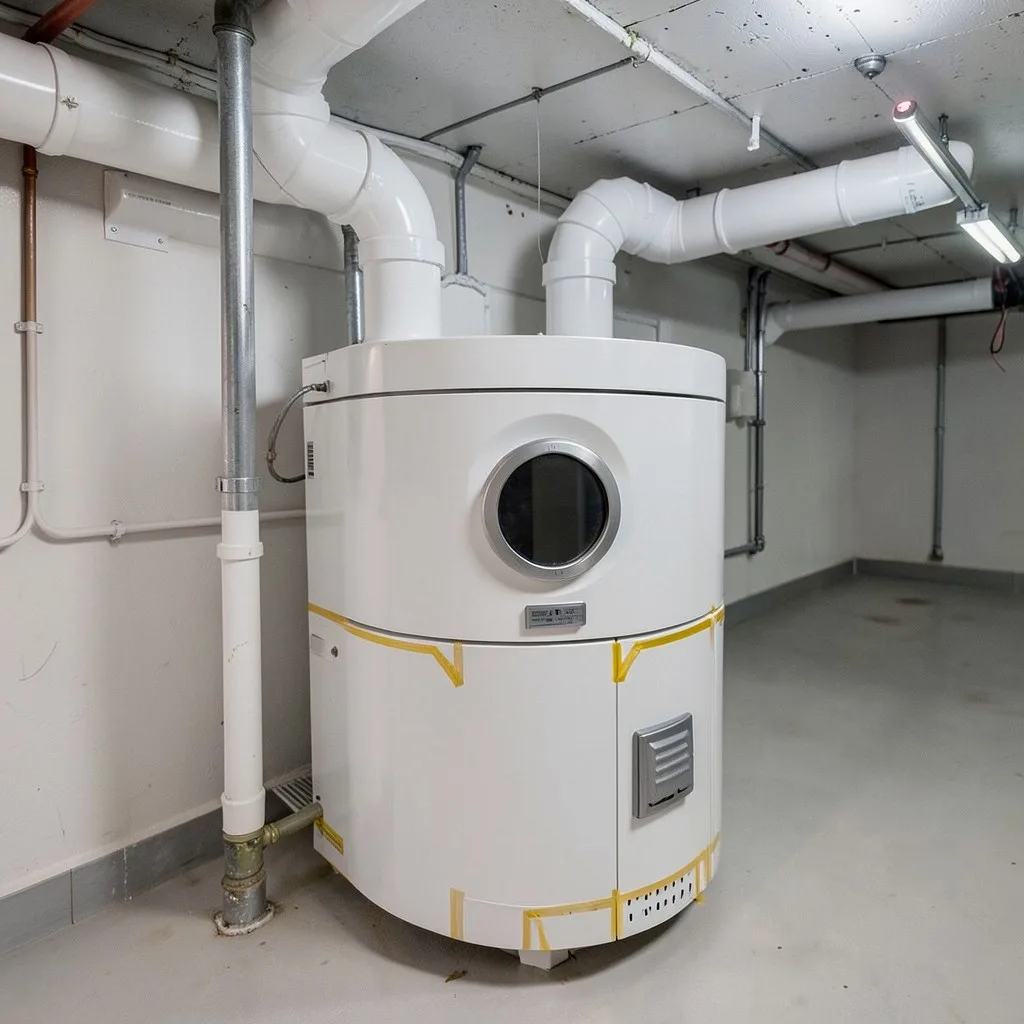
What hangs in local utility closets is as regional as the weather. Many homes still have heating-only furnaces or no ducts at all; ductless retrofits and first-time AC installs are a huge share of the work. Most of the surrounding housing dates to roughly 1970 — 56 years of duct settling and envelope drift that a good contractor reads as quickly as the equipment label.
Every referral here starts from the zip code: Helendale maps to independent contractors who chose this territory and hold California licensing for it. Routing follows extended business hours here, and emergency-class symptoms jump the queue.
This territory overlaps routes through San Luis Rey, Guatay, Pioneertown — established service country, not the edge of anyone's map. Helendale itself is a single-zip market — both heating and cooling lines active across one zip — and market size shapes service reality: how fast a furnace part gets sourced, and how deep the comparison-bid bench runs.
What are Helendale homeowners describing — and what does it mean?
The furnace is 15–20+ years old
Average gas furnace life is 15–20 years; failures cluster fast past that point.
A cracked heat exchanger diagnosis
This is the failure that ends a furnace — replacement is the answer, and a CO check should accompany it.
An 80% furnace in a long heating season
Upgrading to a 95–97% condensing furnace returns roughly 15 cents of every heating dollar.
Repairs exceeding a third of replacement cost
Especially blower motors, control boards, and inducer assemblies on older units.
Uneven heat and long recovery times
Sometimes sizing, often ducts — a heat-load calculation before buying prevents repeating the problem with new equipment.
What should you expect when you call?
-
Describe the project
Tell us what you have and what never worked right. A Helendale replacement bid built on context beats one built on tonnage alone.
-
A design visit, not a pitch
You are routed to an independent California installer who fits equipment to this climate — about 1,450 heating and 700 cooling degree days a year — not to a national average.
-
Numbers precede dollars
Sizing comes from your house, not your driveway. Expect the load calculation, and expect model numbers on the paperwork.
-
No exclusivity, ever
You are never locked in. Collect bids, compare scope line by line, and award the work on your schedule.
How does furnace installation pricing work in Helendale?
Pricing is set by the independent contractor — never by us — and the ground rules are the same on every call we route: the diagnostic fee is stated on the phone before dispatch, any after-hours premium is named up front, and you receive a written quote you can compare against any other bidder before authorizing work.
That structure isn't generosity — it's how the network stays healthy. A California contractor who surprises homeowners at the doorstep stops receiving routed calls, which means the pros who remain are the ones whose pricing conversations survive daylight. You benefit from that selection every time you dial.
| What to expect | When | Why it matters |
|---|---|---|
| Diagnostic fee disclosed | On the phone, before dispatch | No doorstep surprises — the visit price is known before a truck rolls |
| Findings shown, not described | During the visit | The failed part and its readings, in front of you |
| Written quote | Before any work begins | Yours to keep and shop — comparison is expected here |
| Scope itemized | In the quote | Model numbers and labor scope in writing |
Researching typical national figures first? Read Furnace Replacement Cost: What You Will Actually Pay — the itemized national breakdown, kept separate from this routing service.
When Helendale calendars fill up — and how to beat them
Demand for furnace installation around Helendale is not flat — it spikes with the first hard cold snap, when every marginal system in a 1,450-HDD/700-CDD climate gets stress-tested in the same week. Contractors triage: genuine emergencies first, vulnerable households next, everyone else into a queue measured in days. The same call placed two weeks earlier lands in a calendar measured in hours.
Quotes gathered off-peak also age well: scope written in March can be executed on your schedule, not the weather's. Either way, the calendar is a price lever most homeowners never think to pull.
One more calendar note specific to this market: with a median local home vintage around 1970, whole neighborhoods share equipment generations — and when a cohort ages out, replacement demand spikes together. Homeowners who quote a season ahead of their system's statistical retirement buy from a calm market; the neighbors who wait buy from a rushed one.
Pricing a new system for Helendale?
A proper local bid costs one phone call and obligates you to nothing.
Call (877) 565-3062What separates a good install from an expensive one?
The equipment brand matters less than the installation decisions around it: a load calculation instead of a driveway guess, ducts measured for the airflow the new system actually needs, refrigerant charge and airflow verified with instruments at commissioning, and the permit pulled rather than skipped. Two crews installing the identical unit can deliver measurably different efficiency for its entire fifteen-year life.
Read competing bids by scope, not bottom line. Model numbers for every component, line-set and drain handling, electrical work, permit responsibility, commissioning steps, and the labor warranty — in writing. The cheapest bid is usually cheapest because something on that list is missing, and the missing item is rarely missing by accident.
Which guides might save this Helendale service call?
- How Long Do Furnaces Last — and What Shortens Them — Gas furnaces last 15–20 years on average; electric ones 20–30. What ages them fast, the signs of the final act, and when to start replacement planning.
Five minutes of prep that speeds the whole visit
A prepared homeowner shortens the diagnosis and sharpens the quote. Before your furnace installation visit in Helendale, pull together:
- Any past paperwork: prior repair invoices or tune-up sheets turn guesswork into history.
- Clear access: a path to the equipment, the attic hatch, or the crawlspace door saves billable minutes on arrival.
- The symptom timeline: when it started, whether it comes and goes, and what (if anything) changed in the house right before.
- The electrical panel location — and whether any breaker has tripped during the failure.
- Your equipment labels: a phone photo of the data plate on the unit gives the contractor model and age before arrival.
- Pets secured and gate codes shared: the two most common arrival delays, both free to prevent.
Which terms will your Helendale contractor use on this job?
AFUE
AFUE (Annual Fuel Utilization Efficiency) is the percentage of a furnace’s fuel that becomes usable heat for the house over a season. An 80% AFUE furnace sends 20 cents of every fuel dollar up the flue; a 96% condensing furnace loses only 4 cents, recovering extra heat by condensing water vapor out of its own exhaust.
Manual J (Load Calculation)
Manual J is the ACCA-standardized method for calculating a home’s heating and cooling loads — the BTUs actually needed on design days. It accounts for insulation levels, window area and orientation, air leakage, occupancy, and local design temperatures, producing the number that equipment sizing should follow.
BTU
A BTU (British Thermal Unit) is the heat required to raise one pound of water by one degree Fahrenheit — roughly the energy in one lit match. HVAC equipment is rated in BTUs per hour: how much heat a furnace can add to a house, or an air conditioner can remove from it, each hour it runs.
Draft inducer
The draft inducer is a small fan that starts before a furnace’s burners ever light, pulling combustion air through the heat exchanger and pushing exhaust out the flue. A pressure switch verifies the airflow it creates; only then will the control board allow ignition. It is the first sound a healthy furnace makes on every cycle.
Every term links to its full glossary entry — the practical homeowner angle included. All 50 terms →
Vetting a furnace installation contractor in California
Every contractor in this network is an independent California business responsible for its own licensing, insurance, and workmanship — and every legitimate pro expects to be verified. The checks below take five minutes and filter out nearly every bad outcome in residential HVAC:
- Confirm the license: ask for the number and check it against California's contractor licensing authority before work begins.
- Check the labor warranty in writing — 1–2 years on repairs is standard; "we stand behind our work" is not a term.
- Insist on the failed part being shown and the fix explained — techs who diagnosed correctly enjoy this part.
- Ask for the certificate of insurance — liability and workers’ comp. A pro emails it in minutes; hesitation is the answer.
- Compare at least one competing bid on any major repair or replacement. Contractors who earn jobs on scope expect this; the ones who resent it are telling you why.
None of this is adversarial — it's how good contractors prefer to work. A California pro who quotes fees on the phone, shows the failed part, and writes scope you can shop has nothing to fear from a checklist; the visit simply goes faster with an informed homeowner on the other side of it. The rare contractor who bristles at verification has answered the most important question before any work began.
Questions Helendale homeowners actually ask
Should I consider a heat pump instead of a new furnace?
It deserves a look, especially with the federal credit favoring heat pumps over furnaces by better than three to one. Cold-climate heat pumps now hold capacity well below zero. The strongest setup in cold regions is often a dual-fuel pairing — heat pump for the mild 80% of the season, gas furnace for the brutal 20%. Electricity and gas rates in your area decide the winner.
What happens to my water heater when the furnace is replaced?
If both currently share a chimney, moving the furnace to sidewall PVC venting leaves the water heater "orphaned" on a flue now too large for it — a real backdrafting risk. Code typically requires a chimney liner or water-heater venting change at the same time. A quote that never mentions the water heater missed something important.
Is a 96% furnace worth it over an 80%?
In a real heating climate, usually yes: 16% less gas for the same heat, every winter, for 15+ years. The math weakens in mild climates where the furnace barely runs, and in installations where venting constraints make the condensing conversion expensive. In cold-winter regions the condensing upgrade is close to automatic; in the Sun Belt, run the numbers.
Can a new furnace be too big?
Yes, and oversizing is the most common installation sin. An oversized furnace blasts, overshoots, and shuts off — uneven temperatures, more wear per delivered BTU, and shorter life. Insist on a load calculation rather than matching the old unit’s size; the old one was probably oversized too, and your insulation has likely improved since it was installed.
How cold does it get in Helendale, and what does that mean for heating?
Heating systems here are designed against winter lows near 42°F, across roughly 1,450 heating degree days a year. Cool, damp winters most furnaces only jog through means a genuine no-heat failure is a same-day problem — and in freezing stretches, a pipe-protection problem too.
What kind of HVAC equipment is common in Helendale homes?
Many homes still have heating-only furnaces or no ducts at all; ductless retrofits and first-time AC installs are a huge share of the work. The median local home dates to about 1970, so contractors here spend as much time on the distribution side — ducts, airflow, controls — as on the equipment itself.
When is the cheapest time to book furnace installation in Helendale?
Off-peak. Locally that means fall through spring — cooling-season weeks price at a premium because calendars fill. Planned work quoted off-peak also gets sharper bids, since contractors are filling calendars rather than rationing them.
Am I committed to anything by calling?
No. The call connects you with an independent local contractor who quotes their diagnostic fee up front. You can book, decline, or take the quote shopping — contractors in this network expect comparison and earn jobs on scope and price, not on capturing your phone number.
Prefer a callback from a Helendale pro?
Same zip-matched routing as the phone line — an independent California contractor calls you, fee quoted before any visit.