
24/7 Emergency HVAC in Rexburg, ID
Rexburg sits in a market where heating here is engineered against design lows near 9°F, and where freezing winters with valley inversions fill contractor calendars fast. One call puts you through to an independent local pro for emergency HVAC service — coverage matched to your zip code, the visit fee stated on the phone, and the decision to hire left entirely with you.
Climate figures rounded from NOAA 1991–2020 normals for Boise, ID; design temperatures are regional planning values. See our methodology.
U.S. Census Bureau, American Community Survey 2023 5-year estimates (tables B25003, B25024, B25035), city-level.
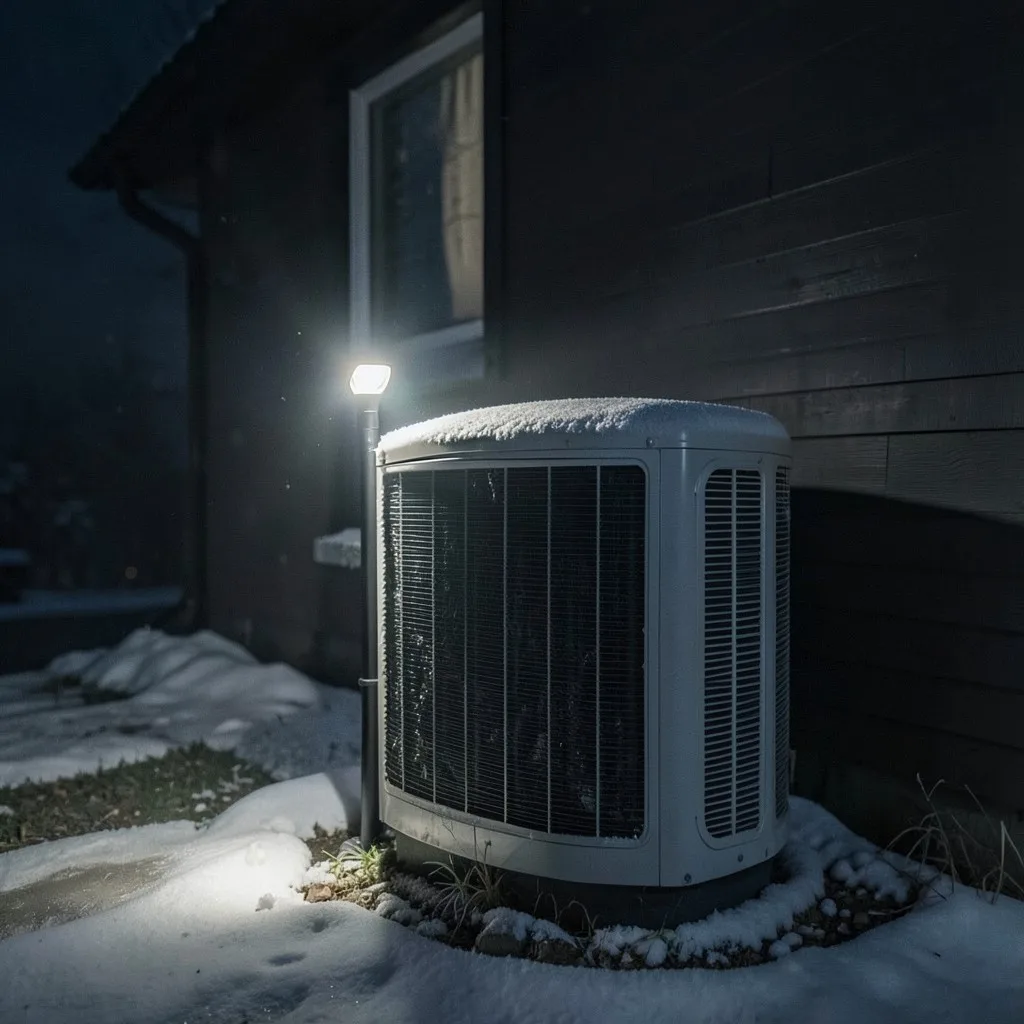
Which local conditions drive which failures?
The Boise, ID normals tell the story of what HVAC endures around Rexburg: about 5,700 heating degree days against 900 cooling degree days annually, with design temperatures spanning 9°F to 96°F. Summers mean hot, dry high-desert summers, winters mean freezing winters with valley inversions — and both show up in the local repair queue on schedule.
Gas furnaces with central AC in fast-growing subdivisions; wildfire smoke seasons have made filtration and IAQ upgrades a mainstream request. Layer that over a housing stock whose median vintage sits near 1990, and the local pattern of failures — and of smart upgrades — becomes easy to predict for contractors who work Rexburg every week.
Rexburg coverage works like a map, not a marketing radius: 3 zip codes tied to Idaho-licensed independents who committed to this territory. After-hours dispatch is genuinely staffed in this market. If a zip is not covered, the call says so immediately.
The contractors registered here typically also work Rathdrum and Eagle, so a truck is rarely more than one town away. Rexburg itself is a compact multi-zip market — both heating and cooling lines active across 3 zip codes plus genuine after-hours routing — and market size shapes service reality: how fast a emergency part gets sourced, and how deep the comparison-bid bench runs.
What are Rexburg homeowners describing — and what does it mean?
No heat with freezing temperatures outside
Below about 20°F, an unheated house risks burst pipes within hours — this is the definition of an HVAC emergency.
No cooling during extreme heat with vulnerable people at home
Infants, elderly residents, and certain medical conditions turn a hot house into a medical risk.
Burning or electrical smell from the equipment
Kill power to the system at the breaker before calling. Melted wiring and seized motors announce themselves by smell first.
Carbon monoxide alarm sounding
Leave the house first, call emergency services, then the gas utility. HVAC service comes after the all-clear.
Water pouring from the air handler or ceiling
A failed condensate system flooding finished space justifies an immediate shutdown and call.
What should you expect when you call?
-
Say what the heat is doing
Cold air from the vents, a system that clicks and quits, a thermostat calling into silence — thirty seconds of description routes a Rexburg call correctly.
-
Routed inside ID
Coverage is matched at the zip-code level: the contractor answering works Rexburg regularly and handles the system types common to this market. After-hours calls reach the on-call rotation.
-
Fee named before the truck moves
The diagnostic fee — and any after-hours premium — is stated on the phone, before dispatch. If that number does not work for you, the call costs nothing.
-
Decision stays with you
The contractor shows you the failed part and the price. On older equipment you get the honest replacement conversation instead of a parts subscription.
How does 24/7 emergency hvac pricing work in Rexburg?
Pricing is set by the independent contractor — never by us — and the ground rules are the same on every call we route: the diagnostic fee is stated on the phone before dispatch, any after-hours premium is named up front, and you receive a written quote you can compare against any other bidder before authorizing work.
That structure isn't generosity — it's how the network stays healthy. A Idaho contractor who surprises homeowners at the doorstep stops receiving routed calls, which means the pros who remain are the ones whose pricing conversations survive daylight. You benefit from that selection every time you dial.
| What to expect | When | Why it matters |
|---|---|---|
| Diagnostic fee disclosed | On the phone, before dispatch | No doorstep surprises — the visit price is known before a truck rolls |
| Findings shown, not described | During the visit | The failed part and its readings, in front of you |
| Written quote | Before any work begins | Yours to keep and shop — comparison is expected here |
| After-hours premium named | When you book | Night and weekend rates stated before you commit |
Researching typical national figures first? Read Emergency HVAC Service Costs After Hours — the itemized national breakdown, kept separate from this routing service.
The Rexburg seasonality problem, used to your advantage
Demand for emergency HVAC service around Rexburg is not flat — it spikes with the first hard cold snap, when every marginal system in a 5,700-HDD/900-CDD climate gets stress-tested in the same week. Contractors triage: genuine emergencies first, vulnerable households next, everyone else into a queue measured in days. The same call placed two weeks earlier lands in a calendar measured in hours.
The practical move: treat the first mild-weather symptom — longer cycles, new noises, weaker output — as the booking trigger. Repairs caught pre-season bill at standard rates with parts on the truck; the identical failure during the first hard cold snap bills at peak with a wait attached.
The regional pattern is worth knowing too: housing around Rexburg clusters near a 1990 vintage, which means equipment installed in the same boom years fails in the same window. When you hear a neighbor's system die, treat it as data — yours shares its birthday. A pre-season inspection that year is the cheapest decision on this page.
No heat in Rexburg?
The earlier the call, the earlier the slot — and in freezing weather, hours matter for more than comfort.
Call (877) 565-3062Repair or replace — how should a Rexburg contractor frame it?
Age is the axis everything turns on. Equipment in its first decade earns repairs almost automatically — wear parts fail, get swapped, and the system runs on. Past the twelve-to-fifteen-year mark, each major component failure competes with replacement money: the part being replaced is the same age as every part that hasn't failed yet, and modern equipment would also cut every future utility bill.
Three findings should always trigger a replacement conversation rather than a quiet repair: a compromised heat exchanger on a furnace (the failure that ends them), compressor-grade work on an aging cooling system, and any major sealed-system repair on equipment running an obsolete refrigerant. A Idaho-licensed contractor who raises these honestly in Rexburg — with the failed part and its readings in front of you — is doing the job right. One who patches silently past them is selling you the same failure twice.
What to have ready when the contractor calls back
A prepared homeowner shortens the diagnosis and sharpens the quote. Before your emergency HVAC service visit in Rexburg, pull together:
- Clear access: a path to the equipment, the attic hatch, or the crawlspace door saves billable minutes on arrival.
- Any past paperwork: prior repair invoices or tune-up sheets turn guesswork into history.
- The filter situation: when it was last changed and its size — the answer redirects a surprising number of diagnoses.
- Pets secured and gate codes shared: the two most common arrival delays, both free to prevent.
- Your equipment labels: a phone photo of the data plate on the unit gives the contractor model and age before arrival.
- The electrical panel location — and whether any breaker has tripped during the failure.
Which terms will your Rexburg contractor use on this job?
Carbon Monoxide (CO) & HVAC
Carbon monoxide (CO) is an odorless, invisible gas produced by incomplete combustion in any fuel-burning appliance, including gas and oil furnaces. Properly running furnaces route combustion gases outside through the heat exchanger and flue; failures in those components — cracks, blockages, backdrafting — can push CO into household air, where it is toxic at low concentrations.
Limit Switch
The limit switch is a furnace safety control that monitors the temperature inside the unit and shuts the burners off if it overheats, while keeping the blower running to cool things down. Repeated limit trips produce short bursts of heat followed by cold-air purges — a pattern easily mistaken for a broken furnace.
Flame Sensor
The flame sensor is a thin metal rod in the burner path that proves to the furnace’s control board that gas actually ignited, by conducting a tiny current through the flame. If it cannot sense flame within seconds of ignition, the board closes the gas valve as a safety measure — even if the burners are visibly lit.
Defrost cycle
The defrost cycle is a heat pump’s self-maintenance routine: in cold, humid weather the outdoor coil ices over, so the system briefly reverses into cooling mode to send hot refrigerant through that coil and melt the frost — producing steam, dripping, a whoosh, and a few minutes of cooler indoor air while auxiliary heat covers the gap.
Every term links to its full glossary entry — the practical homeowner angle included. All 50 terms →
How to verify the pro who shows up
Referral routing gets a qualified contractor on your phone; the vetting is still yours to do, and good contractors respect customers who do it. In Idaho, five minutes covers it:
- For after-hours calls: the premium structure quoted on the phone, parts billed at standard book prices.
- Insist on the failed part being shown and the fix explained — techs who diagnosed correctly enjoy this part.
- Get the diagnostic fee and its terms (does it credit toward the repair?) stated before the visit is booked.
- Ask for the certificate of insurance — liability and workers’ comp. A pro emails it in minutes; hesitation is the answer.
- Confirm the license: ask for the number and check it against Idaho's contractor licensing authority before work begins.
None of this is adversarial — it's how good contractors prefer to work. A Idaho pro who quotes fees on the phone, shows the failed part, and writes scope you can shop has nothing to fear from a checklist; the visit simply goes faster with an informed homeowner on the other side of it. The rare contractor who bristles at verification has answered the most important question before any work began.
24/7 Emergency HVAC in Rexburg — common questions
What should I do while waiting for an emergency heating visit?
Keep interior doors open if you have any heat source running, let faucets drip on exterior walls to protect pipes once indoor temperatures approach the 40s, and use space heaters safely — direct to outlet, three feet of clearance, never unattended. If the house will be below freezing for many hours, know where your main water shutoff is.
What counts as a real HVAC emergency?
No heat when it is freezing outside, no cooling in dangerous heat with vulnerable occupants, anything burning-smell or sparking, active water damage, and any carbon monoxide event. A system that quits on a 68° evening is urgent but not an emergency — booking the first daytime slot usually saves the after-hours premium.
When is no heat dangerous rather than uncomfortable?
Watch two numbers: outdoor temperature and indoor trend. Below freezing outside, an average house loses heat fast enough that pipes in exterior walls can freeze within 6–12 hours. Indoors, sustained temperatures below about 50°F stress infants and elderly occupants. Either condition justifies the after-hours premium without second-guessing.
Can anything be fixed at 2 a.m., or will they just come back tomorrow?
A well-stocked truck resolves the most common failures on the spot: capacitors, ignitors, flame sensors, contactors, condensate clogs, thermostat faults. What legitimately waits for daylight: parts that must be ordered (specific boards, motors, coils) — in which case a good tech makes the system safe and, where possible, rigs interim heat or cooling.
Is a no-heat call in Rexburg really an emergency?
Judge it by the numbers: local winters deliver freezing winters with valley inversions with design lows around 9°F. Below freezing, an unheated house risks pipe damage within hours, which moves a dead furnace from inconvenience to emergency. In milder spells, booking the first daytime slot usually saves the after-hours premium.
Does the age of Rexburg housing change what goes wrong?
Meaningfully. With a median build year around 1990, much of the local stock is on its second or third equipment generation while running original ductwork. Gas furnaces with central AC in fast-growing subdivisions; wildfire smoke seasons have made filtration and IAQ upgrades a mainstream request.
When is the cheapest time to book emergency HVAC service in Rexburg?
Off-peak. This market has two rushes — first heat wave and first freeze — so the shoulder months between them are the cheap windows. Planned work quoted off-peak also gets sharper bids, since contractors are filling calendars rather than rationing them.
Am I committed to anything by calling?
No. The call connects you with an independent local contractor who quotes their diagnostic fee up front. You can book, decline, or take the quote shopping — contractors in this network expect comparison and earn jobs on scope and price, not on capturing your phone number.
Prefer a callback from a Rexburg pro?
Same zip-matched routing as the phone line — an independent Idaho contractor calls you, fee quoted before any visit.